
Solar Tube Skylight Installation in Norcross, GA
- Service area
- Norcross, GA & nearby
- Phone
- 770-758-1609
- Hours
- Mon - Sun: 7:00am - 7:00pm
- Estimates
- Free, no obligation
Solar tube skylight installation brings daylight into dark Norcross rooms, such as windowless bathrooms, interior hallways, walk-in closets and laundry rooms, without the framing work of a full-size skylight. A solar tube, also called a tubular skylight or sun tunnel, collects sunlight through a small dome on the roof, carries it down a reflective tube through the attic and spreads it through a round diffuser in the ceiling. From inside the room it looks like a flush light fixture that runs on sunlight.
TOP Notch Smart Roofing Group installs solar tubes and tubular skylights on homes and commercial buildings in Norcross, GA. This page explains how the systems work, how they compare with traditional skylights, how installation through the attic is done, what affects the price and how to keep a tube clear. When you're ready, we offer a free inspection and written estimate.
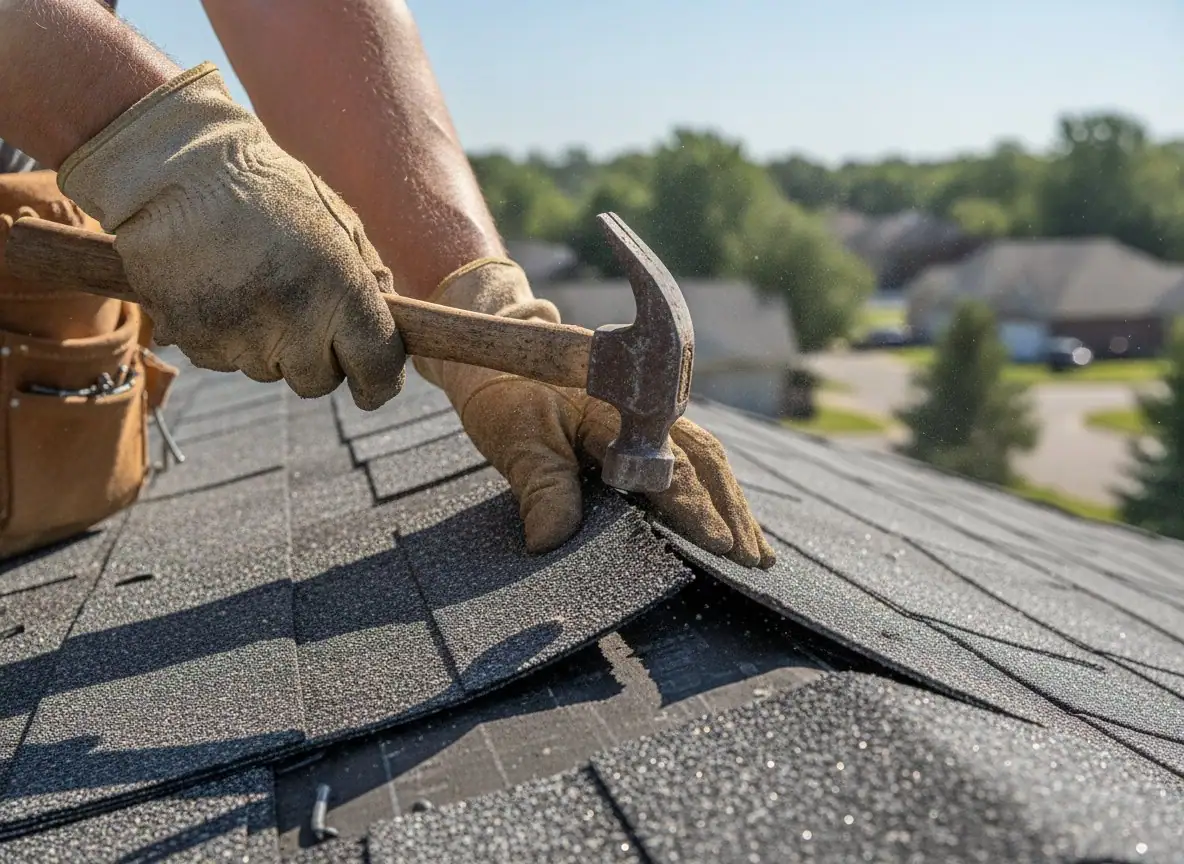
What is a solar tube skylight?
A solar tube skylight is a small daylighting system that pipes sunlight from the roof into a room through a highly reflective tube. It has three main parts:
- Rooftop dome: a clear acrylic or polycarbonate dome that captures sunlight from low and high sun angles. Many domes filter most UV light to limit fading of floors and furniture.
- Reflective tube: a rigid or flexible tube with a mirror-like interior that bounces light down through the attic with very little loss.
- Ceiling diffuser: a frosted or prismatic lens that spreads the light evenly across the room and seals the tube from the living space.
Standard residential kits come in two common diameters, 10-inch and 14-inch. Because the roof opening is only slightly wider than the tube, it usually fits between existing rafters, so no structural framing needs to be cut. The next question most homeowners ask is whether that small opening provides enough light to justify the project.
Is a solar tube worth it?
For a dark room that has an attic above it, a solar tube is usually worth it, because it adds steady daylight at a fraction of the work of a full skylight. On a sunny day a single tube can light a bathroom or hallway well enough that you won't need the light switch. It still provides useful light on overcast days, which are common in Georgia winters.
A solar tube is a good fit when:
- The room has no window or only a small, shaded one.
- There is an accessible attic between the roof and the ceiling.
- You want light but not a view of the sky, ventilation or a large opening.
- You want little added heat in summer, which matters in Norcross.
It is a poor fit if you want a view of trees and sky, fresh air or a dramatic architectural feature. In those cases a traditional skylight is the better product, which leads to the most common comparison.
Free, no-obligation estimates
Talk to TOP Notch Smart Roofing Group
Tell us what you need and we’ll take it from there.
At a glance
Which is better, a solar tube or a skylight?
A solar tube is better for adding light to small or interior rooms at lower cost, and a traditional skylight is better when you want a view, ventilation and a large amount of light in a main living area. The table compares the two.
| Factor | Solar tube | Traditional skylight |
|---|---|---|
| Roof opening | About 10 to 14 inches, usually fits between rafters | Often 2 to 4 feet wide, may require reframing |
| Ceiling work | Small round cutout for a diffuser | Drywall light shaft built from roof to ceiling |
| View of the sky | No | Yes |
| Ventilation | Not in standard models | Available with vented or electric models |
| Heat gain and loss | Low | Higher; depends on glazing quality |
| Best rooms | Bathrooms, hallways, closets, laundry rooms, pantries | Kitchens, living rooms, bedrooms, vaulted ceilings |
| Install time | Usually a few hours | Often a full day or more |
| Relative cost | Lower | Higher |
If you're weighing several options, our skylight installation services in Norcross include tubular, curb mount, vented, electric and energy efficient skylights, so we can recommend whatever fits the room. Once you decide on a tube, the next choice is usually the brand.
Which is better, Velux or Solatube?
Both are reliable brands, and the better choice depends on tube length, roof type and the features you want rather than on which name is more widely known. In brief:
- Solatube focuses on tubular daylighting. Its residential line includes a 10-inch and a 14-inch system with a highly reflective tube that performs well on long or angled runs. Optional add-ons include a daylight dimmer, an integrated electric light kit and a solar-powered nightlight.
- Velux Sun Tunnel comes in 10-inch and 14-inch sizes in both rigid and flexible versions. It offers pitched-roof and low-profile designs and an optional light kit. Velux also makes traditional skylights, which is useful if you want matching products on the same roof.
For long attic runs, rigid reflective tubing from either brand outperforms flexible tubing. For a short, simple run to a bathroom, a flexible kit can work well. That raises the question of which tube type to choose.
At a glance
What are the types of sun tunnels, rigid and flexible?
Sun tunnels use either rigid tubing, which has the brightest mirror finish and delivers the most light, or flexible tubing, which bends around obstacles but loses more light with every foot and curve.
Rigid sun tunnels
Rigid tubes are straight aluminum sections with a highly reflective interior. Adjustable elbows let them angle around ducts or framing, and extension sections allow longer runs. Choose rigid when the attic distance is more than a few feet or when you want maximum brightness.
Flexible sun tunnels
A flexible sun tunnel uses an accordion-style reflective tube that can be stretched and curved. It installs quickly and works around tight obstructions, but the ribbed surface scatters light, so output drops noticeably on longer or curved runs. It works best for short, nearly straight runs, such as a single-story home with a shallow attic.
Choosing a size: 10-inch vs 14-inch
| Tube size | Typical room size | Good for |
|---|---|---|
| 10-inch | Up to about 150 to 200 sq ft | Bathrooms, hallways, closets, laundry rooms, pantries |
| 14-inch | About 200 to 300 sq ft | Kitchens, family rooms, larger bedrooms, open areas |
| Multiple tubes | Larger or long rooms | Long hallways, open kitchens, basements below single-story roofs |
Ceiling height, wall color, roof orientation and tube length also affect how bright the room feels. Once the type and size are set, the work happens in the attic and on the roof.
How is a solar tube skylight installed through the attic?
A solar tube is installed by cutting a small hole in the roof and a matching hole in the ceiling, then connecting the two with a sealed reflective tube that runs through the attic. Roof pitch and attic clearance determine whether a tube can go in and where. Our tubular skylight installation process in Norcross follows these steps:
- Locate the ceiling diffuser. We mark the ceiling spot, then check the attic for joists, wiring, HVAC ducts and enough clearance for the tube.
- Cut the roof opening. From the attic we drive a reference nail up through the roof deck, then cut a round opening between rafters from the roof side and remove the shingles around it.
- Install the flashing. The flashing base slides under the upper shingles and over the lower ones so water sheds around it. We seal it with roofing sealant and underlayment as needed. Metal roofs, tile and low-slope or flat roofs need flashing made for that surface.
- Mount the dome. The dome and top tube section attach to the flashing and are sealed against water and insects.
- Run the tube through the attic. Rigid sections and elbows, or a flexible tube, connect the roof to the ceiling. Joints are taped so dust and attic air stay out, and the insulation is fitted back snugly around the tube.
- Cut the ceiling and fit the diffuser. We cut the drywall, install the ceiling ring and attach the diffuser lens, then clean up and check for light leaks or gaps.
Each step is quick on its own, which is why total job time is shorter than most people expect.

How long does solar tube installation take?
A professional solar tube installation usually takes about two to four hours for one tube on a standard shingle roof with good attic access. Several factors can add time:
- Steep roof pitch, which requires extra safety setup
- Tight or low attics, long runs or several elbows
- Tile, metal or flat roofs that need special flashing
- Installing more than one tube
- Repairing roof decking damage found during the cut
Many homes get two tubes done in one day. Because time, materials and roof conditions all affect the final number, price is the next thing to look at.
At a glance
How much is a Solatube installed in Norcross?
The cost of an installed Solatube or sun tunnel in Norcross depends on the kit, the roof and the attic. We give a written quote after a free inspection instead of quoting a number before we've seen the home. Kit prices advertised online cover only the hardware. Labor, flashing for your roof type and any add-ons come on top of that, which is why comparing complete contractor quotes matters more than comparing kit prices.
| Cost factor | How it affects the price |
|---|---|
| Tube size | 14-inch kits cost more than 10-inch kits |
| Tube type and length | Rigid tubing, extensions and elbows add material cost |
| Brand and add-ons | Dimmers, light kits, nightlights and premium diffusers raise the total |
| Roof pitch and access | Steep or high roofs need more safety setup and time |
| Roof material | Metal, tile and flat roofs need specialty flashing |
| Attic conditions | Low clearance, ducts or wiring can complicate the run |
| Existing roof damage | Soft decking or worn shingles near the opening may need repair |
| Tear-off or reroof timing | Installing during a reroof can simplify flashing work |
| Permits | Any required local permit adds a fee |
| Number of tubes | Multiple tubes in one visit spread out setup time |
For a broader overview, see our solar tube skylight cost page. Financing is available, and if a storm damages an existing skylight or tube, we can help with your insurance claim. After installation, a little upkeep keeps the light bright.
How to clean a solar tube skylight?
Clean a solar tube by rinsing the rooftop dome and washing the ceiling diffuser. The sealed tube interior rarely needs attention. Follow these tips:
- Dome: Rinse with a garden hose once or twice a year, or after heavy pollen season, which is noticeable in Norcross each spring. Avoid pressure washers and abrasive pads, which can scratch acrylic. Only work on the roof if you can do it safely.
- Debris: Clear leaves and pine needles from around the flashing so water drains freely.
- Diffuser: Twist or unclip the lens, wash it with mild soap and warm water, dry it fully and reinstall it.
- Tube interior: Don't wipe the reflective surface unless dust has gotten inside. If it has, use a soft microfiber cloth only.
- Warning signs: Water stains, drips or moisture inside the diffuser point to a flashing or seal problem that needs a professional check.
Because the parts are simple, some homeowners wonder whether they could build one themselves.
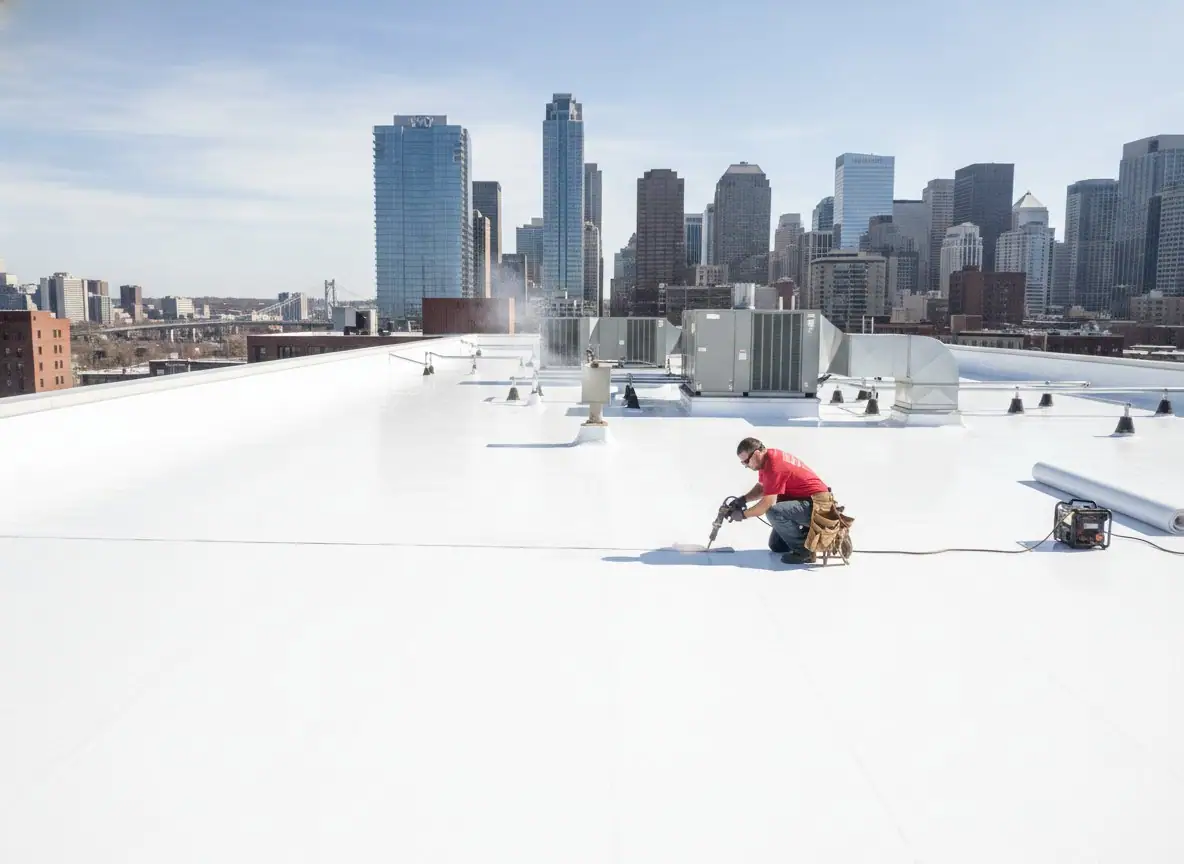
How to make a solar tube at home?
You can build a homemade solar tube from a clear dome, foil ducting and a ceiling lens, but we don't recommend it, because the roof penetration is where most failures happen. Homemade versions often use HVAC foil duct, which reflects far less light than daylighting tubing. They also tend to have poorly sealed flashing that can leak into the attic and ceiling.
DIY vs professional installation
- DIY risks: roof leaks, condensation, cracked shingles, cutting into a rafter or wiring, voided shingle warranties and falls from the roof.
- Professional advantages: correct flashing for your roof type, sealed tube joints, restored insulation, proper sizing and placement, and an insured crew working on the roof.
If you'd rather not take on that risk, here is what working with a local installer offers.
Why hire a Norcross solar tube installer?
A local installer knows Norcross roofs, attics and weather, and handles both the roofing and the interior work so the tube doesn't leak and the room gets the most light. Here is what TOP Notch Smart Roofing Group offers:
- Solar tube, tubular, dome, flat roof, curb mount, metal roof and other skylight types
- Residential and commercial projects in Norcross
- Free inspections and written estimates
- Insured crews
- Financing options
- Help with insurance claims after storm damage
- 24/7 emergency service for leaks
To see past work, browse our project gallery, which shows rooftop domes, flashing details and finished ceiling diffusers. You can also read what homeowners say on our reviews page or learn more about us. Whether you're adding light to a windowless bathroom or a dark hallway, the Norcross skylight installers at TOP Notch Smart Roofing Group can tell you whether a tube will work in your home. Call 770-758-1609 or use our free estimate form.
FAQ
Frequently asked questions
Do solar tubes leak?
A properly installed solar tube should not leak. The one-piece flashing and sealed dome are designed to shed water. Most leaks come from poor flashing, shingles not lapped correctly over the flashing base, or aged sealant. If you see stains around a diffuser, have the rooftop flashing inspected.
Can a solar tube go in a room with no attic above?
Sometimes. With a vaulted ceiling, a short tube can run straight through the rafter space if it's clear of insulation baffles, wiring and framing. If the room is below another floor, a tube usually can't reach it. We confirm what's possible during the inspection.
Do solar tubes provide light at night?
No, solar tubes only carry daylight. Some models offer an optional electric light kit inside the diffuser or a solar-powered nightlight, so the same fixture can provide light after dark.
Can you install a solar tube on a metal or flat roof?
Yes. Metal roofs need flashing made for the panel profile. Flat and low-slope roofs need a curb or low-profile flashing, sometimes with a tilted dome to catch more sun. We install skylights on metal and flat roofs.
Does a solar tube add heat to a room?
Very little. The small opening, sealed tube and UV-filtering dome let in much less heat than a large skylight, and insulation is sealed back around the tube in the attic. That makes solar tubes a practical choice for Norcross summers. For a free inspection and written estimate, call 770-758-1609.
Get in touch
Find roofing help near you
Request a free estimate online or give us a call — our team will follow up quickly.
- Call us770-758-1609
- Visit3495 Holcomb Bridge Rd, Norcross, GA 30092
- HoursMon - Sun: 7:00am - 7:00pm